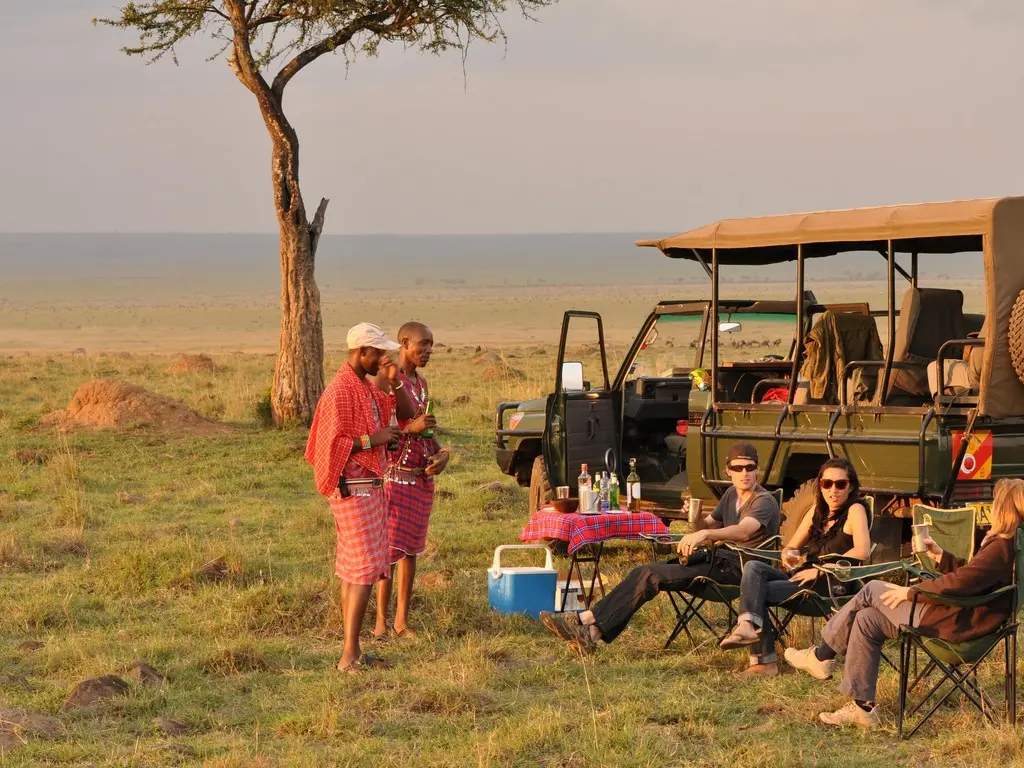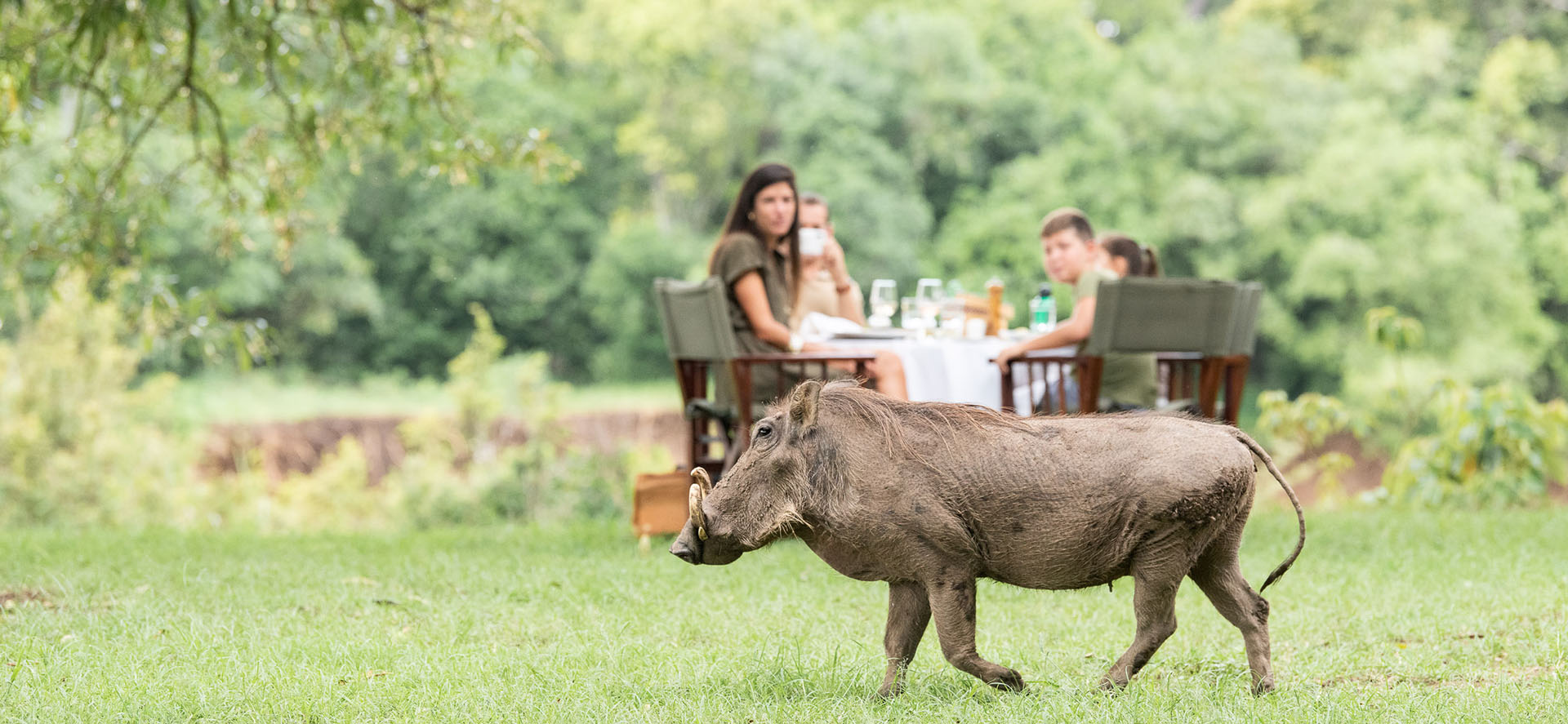
Kenya is synonymous with safari adventures, offering some of the most iconic wildlife experiences on the planet. From the Great Migration in the Maasai Mara to the elephant herds of Amboseli, Kenya’s national parks and reserves are teeming with life year-round. But when is the best time to visit for the ultimate safari experience? The answer depends on what you want to see, the kind of weather you prefer, and the type of experience you’re after. In this detailed guide, we’ll break down the best times to visit Kenya for safaris, month by month, so you can plan your dream trip with confidence.
Why Timing Matters for Kenyan Safaris
Kenya’s wildlife viewing opportunities are heavily influenced by seasonal changes, particularly the dry season and the wet season. Here’s why timing is crucial:
- Dry Season (June to October): Wildlife congregates around water sources, making animals easier to spot. The vegetation is thinner, and the weather is cooler and more comfortable for game drives.
- Wet Season (November to May): The landscape is lush and green, birdlife is abundant, and the parks are less crowded. However, some roads may become impassable, and animals are more dispersed.
Now, let’s dive into the specifics of each season and month to help you decide when to visit.
1. January to March: The Green Season
- Weather: Warm and sunny, with occasional short rains.
- Highlights:
- Birdwatching: Migratory birds are present, making this a paradise for bird enthusiasts.
- Calving Season: Witness newborn wildebeest and zebras in the southern Maasai Mara and Amboseli.
- Lush Landscapes: The parks are green and vibrant, perfect for photography.
- Best Parks to Visit:
- Amboseli National Park: Stunning views of Mount Kilimanjaro and large elephant herds.
- Maasai Mara: Less crowded, with plenty of predators around due to the calving season.
- Tips: This is a great time for budget travelers, as accommodations often offer lower rates.
2. April to May: The Long Rains
- Weather: Heavy rainfall, especially in April. May is slightly drier.
- Highlights:
- Fewer Crowds: The parks are quiet, offering a more intimate safari experience.
- Dramatic Skies: Stormy weather can create stunning backdrops for photography.
- Challenges: Some roads may be muddy and difficult to navigate, and wildlife viewing can be more challenging as animals are dispersed.
- Best Parks to Visit:
- Samburu National Reserve: Known for its unique wildlife, such as the reticulated giraffe and Grevy’s zebra.
- Tsavo National Park: Less affected by rain compared to other parks.
- Tips: If you don’t mind the rain, this is a great time to enjoy discounted rates and peaceful game drives.
3. June to October: The Dry Season (Peak Safari Season)
- Weather: Cool and dry, with clear skies and minimal rainfall.
- Highlights:
- The Great Migration: Millions of wildebeest, zebras, and gazelles cross the Mara River into the Maasai Mara (July to October). This is one of the most spectacular wildlife events on Earth.
- Excellent Wildlife Viewing: Animals gather around waterholes, making them easier to spot.
- Clear Views of Mount Kilimanjaro: Amboseli offers stunning views of Africa’s highest peak.
- Best Parks to Visit:
- Maasai Mara: The epicenter of the Great Migration.
- Amboseli National Park: Famous for its elephant herds and Kilimanjaro views.
- Laikipia Plateau: Offers unique activities like walking safaris and night game drives.
- Tips: This is the busiest time of year, so book accommodations and flights well in advance. Be prepared for higher prices.
4. November to December: The Short Rains
- Weather: Short, sporadic rains with plenty of sunshine in between.
- Highlights:
- Lush Scenery: The landscape is green and beautiful, perfect for photography.
- Fewer Tourists: Crowds thin out after the peak season, offering a more relaxed experience.
- Birdwatching: Migratory birds return, adding to the park’s biodiversity.
- Best Parks to Visit:
- Lake Nakuru National Park: Known for its flamingos and rhino populations.
- Meru National Park: A hidden gem with diverse wildlife and fewer visitors.
- Tips: This is a great time to combine a safari with a beach holiday on Kenya’s coast, as the weather is warm and pleasant.
Month-by-Month Breakdown
| Month | Weather | Wildlife Highlights | Best Parks to Visit |
|---|---|---|---|
| January | Warm, short rains | Calving season in the Maasai Mara, birdwatching | Amboseli, Maasai Mara |
| February | Warm, short rains | Calving season continues, lush landscapes | Amboseli, Samburu |
| March | Warm, short rains | End of calving season, birdwatching | Amboseli, Lake Nakuru |
| April | Heavy rains | Fewer crowds, dramatic skies | Samburu, Tsavo |
| May | Heavy rains | Lush greenery, fewer tourists | Meru, Tsavo |
| June | Cool, dry | Start of the Great Migration, excellent wildlife viewing | Maasai Mara, Amboseli |
| July | Cool, dry | Great Migration in full swing, river crossings | Maasai Mara, Laikipia |
| August | Cool, dry | Peak of the Great Migration, clear skies | Maasai Mara, Amboseli |
| September | Cool, dry | Great Migration continues, fewer crowds | Maasai Mara, Samburu |
| October | Warm, dry | End of the Great Migration, excellent wildlife viewing | Maasai Mara, Amboseli |
| November | Short rains | Lush scenery, birdwatching | Lake Nakuru, Meru |
| December | Short rains | Fewer tourists, pleasant weather | Amboseli, Lake Nakuru |
Final Thoughts: When Should You Go?
The best time to visit Kenya for a safari depends on your priorities:
- For the Great Migration: Visit between July and October.
- For fewer crowds and lush landscapes: Consider January to March or November to December.
- For budget-friendly options: The long rains (April to May) offer lower rates and a unique experience.
No matter when you visit, Kenya’s wildlife and landscapes will leave you in awe. So pack your binoculars, grab your camera, and get ready for the safari adventure of a lifetime. Kenya is waiting to show you its wild side!